


End-of-life vehicle recovery
The phases of the end-of-life vehicle recovery process and the products suitable for each phase.
From a vehicle to a resource: with Iris-Mec, recycling becomes value
End-of-life vehicle (ELV) treatment follows a defined process to ensure safety, material recovery and compliance with environmental regulations. On this page, you will find the process phases and Iris-Mec solutions for each step.
Key phases
Reception and registration
This area is dedicated to ELV reception. Vehicle dismantlers record the vehicle details and assess its condition. The documentation required for traceability and regulatory compliance is completed.
Depollution and make-safe operations: the first step towards sustainability
The initial phase of ELV treatment is make-safe operations. Here, trained operators carefully remove hazardous fluids such as oils, fuels and coolants. This step is essential to prevent environmental contamination and prepare the vehicle for subsequent treatment phases.
Explore Iris-Mec products for the depollution and make-safe phase
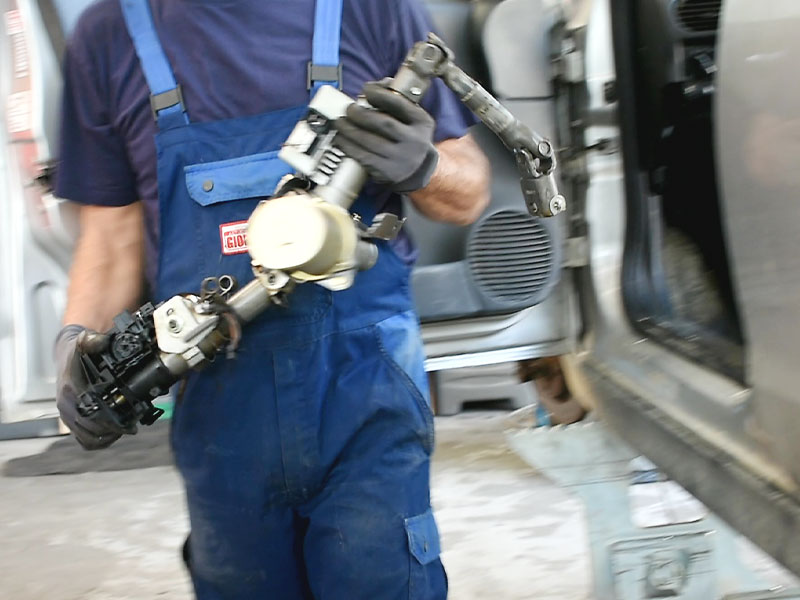
Dismantling and separation: from complexity to simplification
Parts of the vehicle are identified and removed that can be reused or sold as spare parts, such as engines, transmissions, interiors, headlights, etc. Materials such as ferrous metals, non-ferrous metals, plastics and glass are separated and sent to specialised recycling facilities for processing and reuse. The remaining parts of the vehicle, such as the bodywork, chassis and other components, are dismantled and separated for recycling.
Explore Iris-Mec products for dismantling and spare parts recovery
Organised storage and responsible disposal
Recovered components and separated materials are stored in designated, organised areas to facilitate recovery and sale. If the vehicle dismantler sells used spare parts, a dedicated sales area can be set up to facilitate transactions with customers.
Fuels, oils and fluids recovered during the depollution phase are safely stored in dedicated tanks and temporarily placed in designated areas. Separated materials are sent to recycling centres to be converted into new products. Non-recyclable or non-recoverable items are disposed of safely and responsibly, in compliance with environmental regulations.
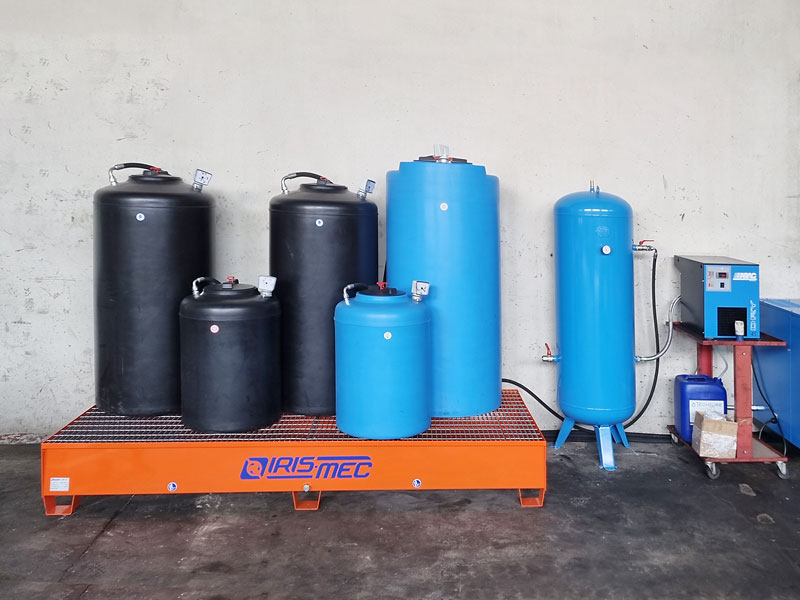
Explore Iris-Mec solutions for storage and organisation
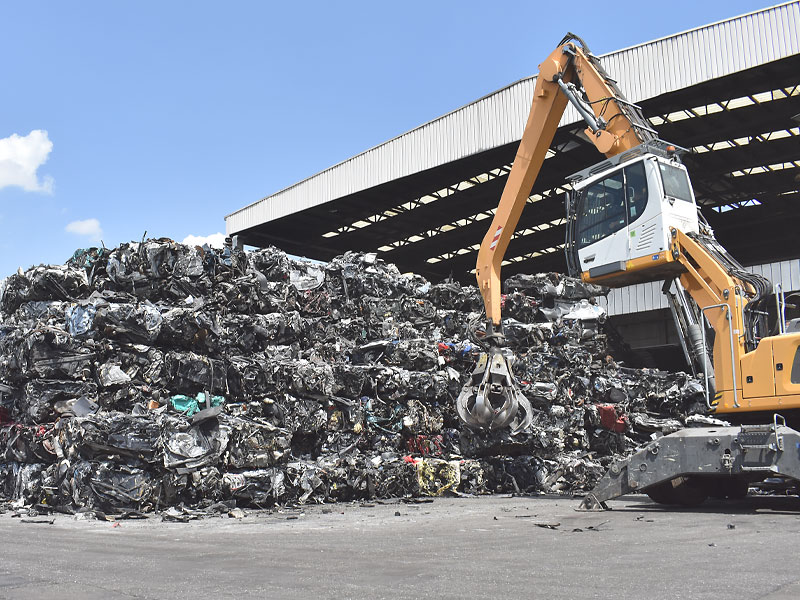
Volume reduction
Some materials undergo shredding processes to reduce volume and facilitate recycling.
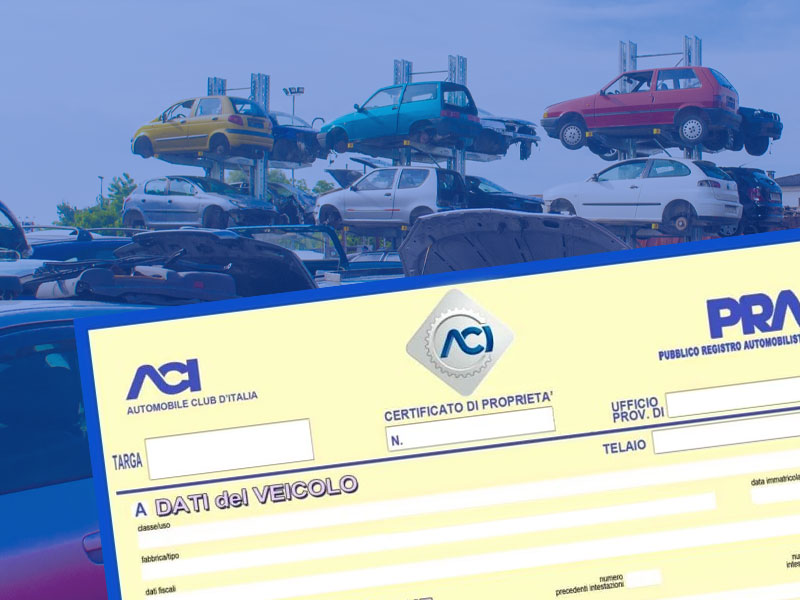
Deregistration and documentation
Once the process is complete, the vehicle dismantling facility notifies the competent authorities to deregister the vehicle from the official register. Throughout the process, detailed documentation is maintained to demonstrate proper management of the end-of-life vehicle. This documentation may be requested by regulatory authorities.
It is important to note that the entire process must be carried out in compliance with local and national regulations, particularly those relating to depollution, material recycling and waste management. Proper management of end-of-life vehicles is essential to reduce environmental impact and ensure that materials are recovered and recycled sustainably.